The day I decided not to get married, Chen Shuo was at the market buying a bass.
He sent me a photo and asked, “This one’s nine hundred grams.
Too big?
Mum said you liked it steamed.”
I stared at the fish lying in its plastic basket for ten or fifteen seconds, then replied, “Chen Shuo, let’s not register our marriage next week.”
He probably thought I was stressed about the wedding again.
After a while, he replied, “Sure.
We can push it back.
You’ve been busy with your project lately anyway, haven’t you?”
I said, “I don’t mean push it back.”
There was nothing from him for two minutes.
“What do you mean?”
I put my phone facedown on my desk and didn’t answer.
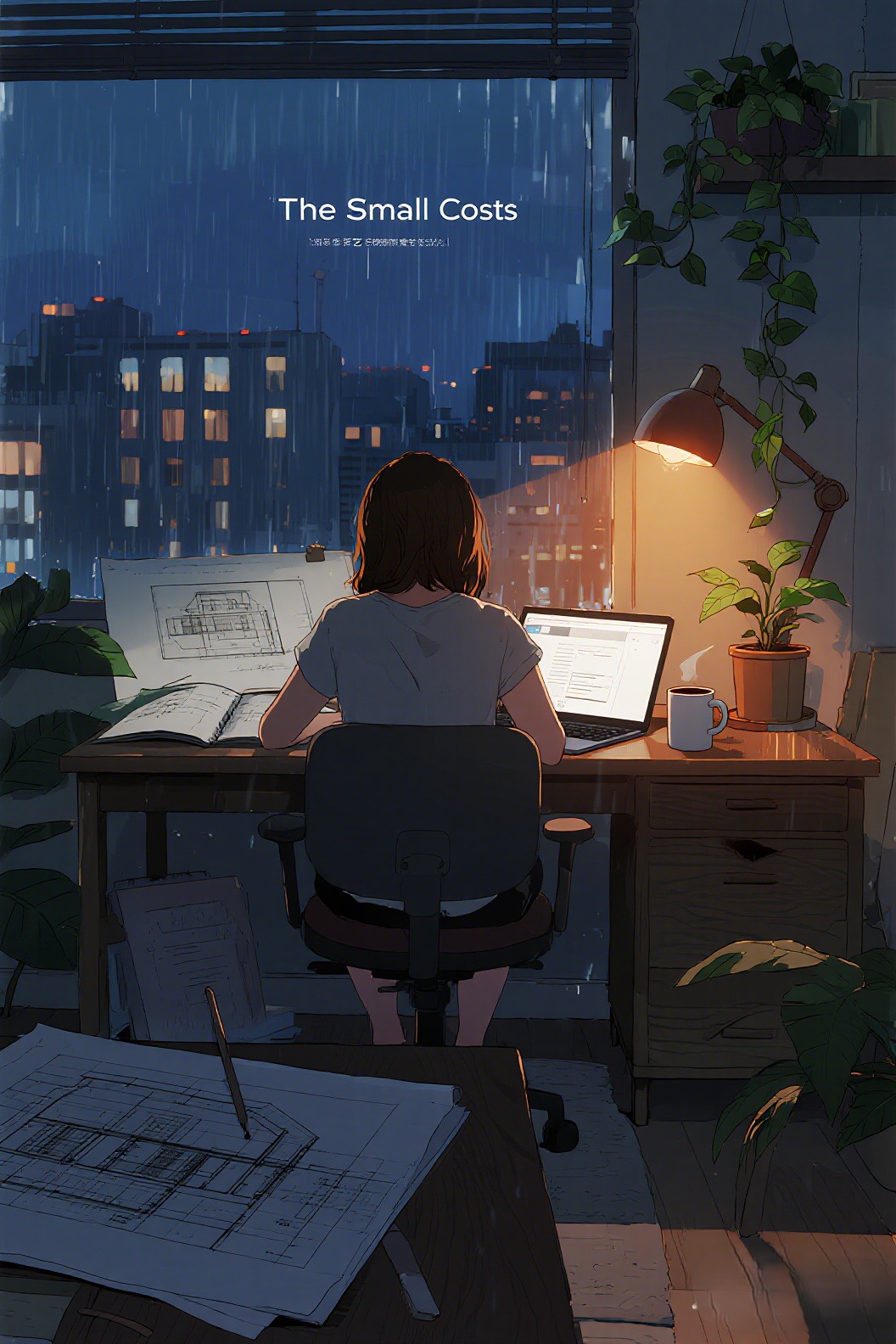
At 4:27 that afternoon, I was sitting in a windowless meeting room with a final account for a construction project worth forty-seven million yuan spread out before me.
The printer kept spitting out paper next door.
The air vent hummed overhead.
My supervisor, Wei, was arguing with the contractor’s people over a hundred and seventy thousand yuan in additional works claims.
Everything was ordinary.
So ordinary it hardly seemed like the afternoon a woman had decided to cancel her wedding.
No one had been caught cheating.
There had been no slap, no other woman, no sudden revelation of anyone’s true colours.
Chen Shuo hadn’t betrayed me.
He was, by most standards, a decent man.
He didn’t smoke, didn’t throw money around, wasn’t violent, and had no interest in going out for what men called “a night with the boys.”
If you drew up a job specification for a suitable husband, he’d score eighty-five out of a hundred.
So everyone asked me, “Then why on earth won’t you marry him?”
That turned out to be the hardest question to answer.
Because when an adult truly wants to leave a relationship, there often isn’t one devastating piece of evidence against the other person.
Just one small bill after another.
And suddenly you realise that, for seven years, every one of those bills has had your name on it.